

If you don’t replace missing teeth, your jawbone shrinks, your bite shifts, and your face can change shape over time. These changes don’t happen overnight, but they follow a predictable pattern once a tooth is gone.
The gap in your smile is the only part you can actually see. Underneath it, your jaw bone, your bite, and your facial structure are already responding. Here’s what to know before deciding whether to act.
Key Takeaways
- Without a tooth root in place, the jaw bone beneath the gap loses the stimulation it needs and begins to shrink within weeks.
- Adjacent teeth drift toward the space over time, throwing off your bite and putting strain on the joints that move your jaw.
- Dental implants, bridges, and dentures each work differently, and which one fits your situation depends on how much bone you have left and how many teeth are missing.
- The changes from a missing tooth don’t wait, so the sooner you get a clear picture of your options, the more choices you’ll have.
- Answers to common questions about bone loss, gum disease, and dental implants are below.
Change #1: Your Jaw Bone Starts Disappearing Before You Even Notice
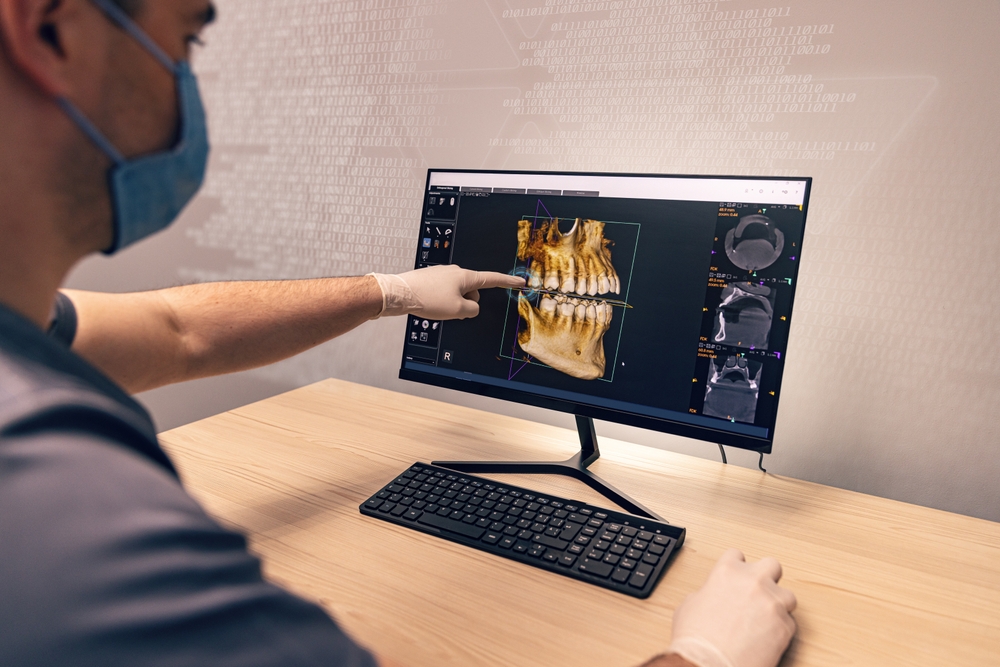
Most people don’t know that tooth roots are what keep the jaw bone healthy and support your overall oral health. Every time you chew, your roots press into the bone, and that pressure tells it to keep rebuilding itself. When a missing tooth removes that pressure, the jawbone begins to deteriorate.
The jaw can lose a significant portion of its width fast. A systematic review of human studies documented 29-63% horizontal bone loss within the first six months after extraction. After that, the process slows, but it doesn’t stop.
Does every missing tooth lead to bone loss?
Yes. Bone loss begins beneath any missing tooth, no matter where it sits in your mouth. The rate depends on your health and existing bone volume, but no gap is exempt.
Signs of Jawbone Deterioration You Might Notice
Jawbone deterioration doesn’t always announce itself right away. Watch for:
- Changes along the gum line near the missing tooth
- Gum irritation or gum inflammation around the empty socket
- Reduced blood flow to the area, which slows healing
- A subtle shift in how nearby teeth feel when you bite down
If periodontal disease or gum disease is already present, it can speed up bone loss even further. Tobacco products slow healing and worsen the damage.
Patients who wait too long may need bone grafting before implant placement can happen. This sometimes involves a bone graft to rebuild lost volume. When gum disease is involved, a Comprehensive Dental Hygiene Program can help as part of a coordinated plan.
Change #2: Your Face Begins to Cave In Around the Gap
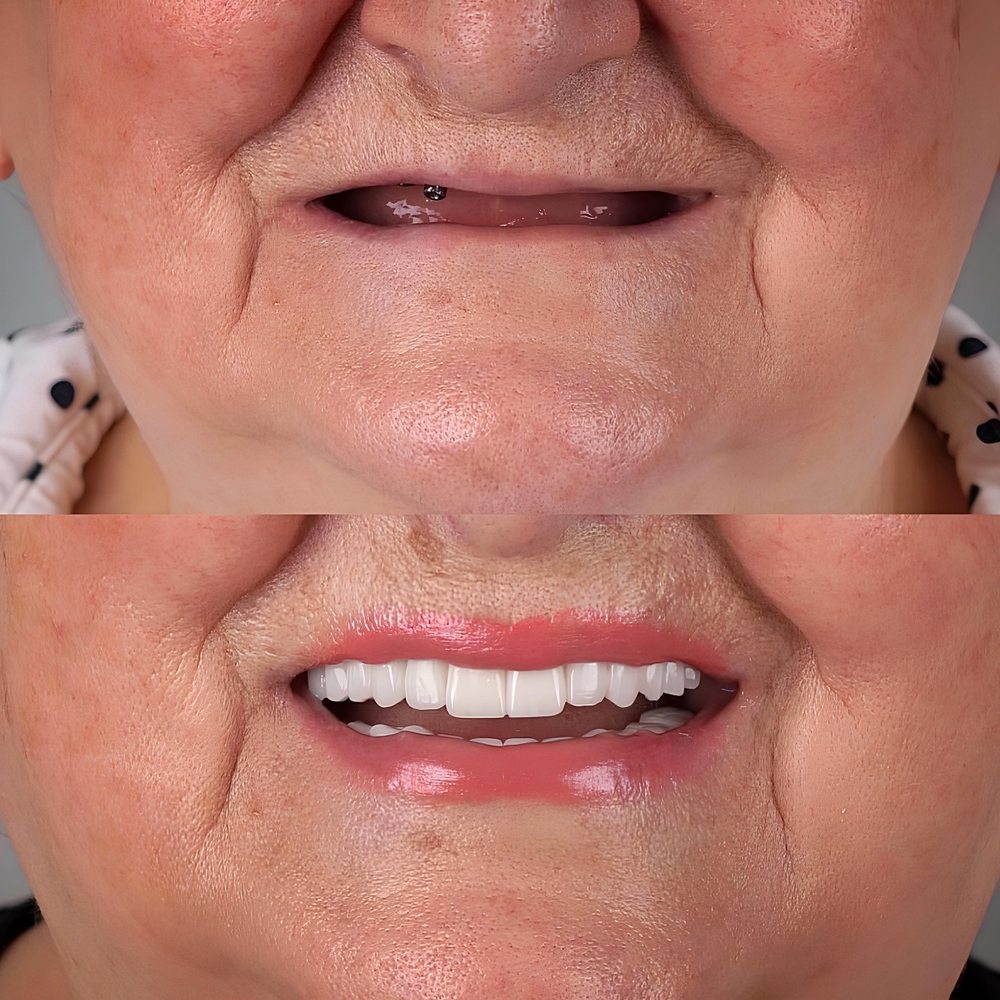
As the jawbone shrinks, the soft tissue above it loses support. That’s when facial sagging starts to show.
How Facial Sagging Shows Up Over Time
- The area around your mouth can begin to look sunken or older than it is
- Your face shape and facial shape both change because the structure holding them up is gone
- The lower portion of the face can appear shorter as jaw height decreases
- Lip support around the missing tooth can thin out over time
These changes happen slowly. Most people don’t connect a sunken cheek to a tooth they lost years earlier, until the difference becomes hard to ignore.
Change #3: Your Teeth Start Drifting Into the Empty Space
Your teeth hold each other in place. Each tooth presses against the ones next to it, and that contact helps keep everything lined up.
When a tooth goes missing, that contact disappears on one side. Adjacent teeth begin to lean into the space.
A 3D imaging study found that surrounding teeth tipped and moved towards the extraction space within months of tooth loss. The tooth above or below the gap can also grow into the space. This process is called super-eruption.
Neither movement happens overnight, but tooth shifting disrupts your bite alignment. Once your bite is off, your teeth stop sharing chewing forces evenly. Some teeth take on more pressure than they were built for. That imbalance affects bite stability across your whole mouth.
How Tooth Shifting Makes Oral Hygiene Harder
Shifted teeth create tight angles that are hard to clean. Plaque buildup collects in the new gaps, and tooth decay often follows in teeth that were healthy before the shift. Keeping up with dental hygiene gets harder the more your teeth move.
Other Effects of Adjacent Teeth Shifting
- Speech challenges can develop, since your tongue and lips rely on your teeth to form certain sounds.
- Cracked teeth from added pressure may eventually need root canal treatment.
- Significant shifting may call for orthodontic treatment or orthodontic planning before implant placement can proceed.
- Bite problems can spread to teeth that were never near the original gap.
Change #4: Your Jaw Joints Take on Damage They Were Never Built For
Uneven bite pressure from shifted teeth stresses the jaw joints. These joints aren’t built to absorb force unevenly, and repeated stress can lead to TMJ disorders.
Signs Your Bite Is Affecting Your Jaw Joints
- Jaw pain or soreness, especially after chewing
- Jaw joint sounds that federal research describes as clicking or grating in the jaw joint when you open or close your mouth
- Limited range of motion, or a jaw that feels stuck
- Tension headaches that seem to come out of nowhere
TMJ issues also affect how efficiently you chew. Research shows that when teeth are lost, chewing function deteriorates. That drop reduces the chewing power and chewing forces available to break down food. Over time, that can affect digestion.
Comparing Your Tooth Replacement Options: Implants, Bridges, and Dentures
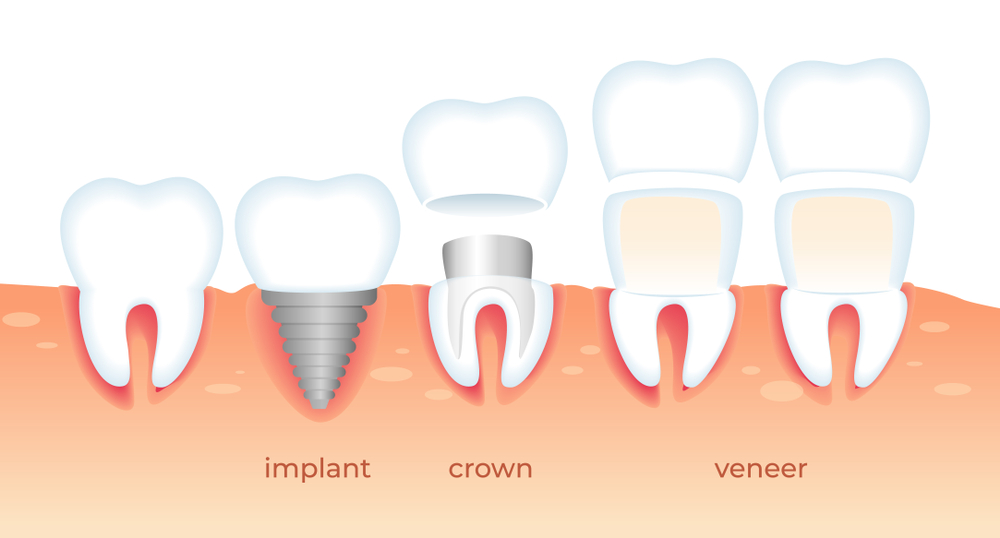
Dental implants are often considered the most complete solution, and the reason comes down to what they replace. A long-term review of implant outcomes confirmed a high survival rate (94.6%) over more than a decade of follow-up.
A titanium dental implant goes into the jawbone and acts as a prosthetic tooth root. It bonds with the bone through a process called osseointegration.
Once integrated, it restores the pressure that tells the bone to keep rebuilding. That makes it the only option that addresses bone loss at the source.
What Affects Which Option Is Right for You
A dental examination and evaluation will typically look at:
- How much bone volume remains at the site
- Whether a bone graft is needed before implant placement
- How many teeth need replacing, and where
- Your dental care history and oral hygiene habits
During your dental exam, our team also screens for signs unrelated to the missing tooth itself. This includes checking for oral cancer or bite problems elsewhere in your mouth.
Implant-supported crowns and bridges work well for patients missing one or several teeth. For those who’ve lost most or all of their teeth, full-arch restorations provide a fixed solution. It doesn’t come in and out like a removable option.
We coordinate dental implant surgery with local oral surgery specialists. That keeps your dental team connected from evaluation to restoration.
Implant-Supported Bridges and Full-Arch Restorations: When One Implant Isn’t Enough
When several teeth in a row are missing, Implant-Supported Bridges step in. They use two or more implants to support the row instead of relying on natural teeth as anchors.
Full-arch restorations through implant-supported dentures take this further. They support a complete arch on a small number of implants. The result is a fixed restoration without the bulk of traditional removable dentures.
A dental bridge works differently. Fixed bridges, like porcelain crowns and bridges, anchor a dental crown to the teeth on either side of the gap.
This option needs no surgery, but those adjacent teeth need reshaping to serve as supports. A bridge also doesn’t address the underlying bone loss.
Removable partial dentures and traditional full dentures suit patients who aren’t candidates for implants or prefer to avoid surgery. As a dental prosthetic, these options restore appearance but don’t provide the stimulation that preserves bone.
The right choice for replacing missing teeth depends on several factors. These include how many teeth are missing, how much bone remains, and your overall oral health.
Where possible, our dental clinic favors minimal preparation and restorative techniques. These techniques keep as much natural tooth structure intact as the situation allows.
See How Easy It Is to Replace Missing Teeth
Every week a missing tooth goes unaddressed, your options quietly narrow. That’s not because treatment gets harder to perform; it’s because your bone, bite, and surrounding teeth keep adjusting in the meantime.
The good news is that a personalized plan can pinpoint exactly where you stand today. Whether that means an implant, a bridge, or something else entirely depends on your bone health and how long the tooth has been gone.
Dr. Kathy Sanders and Dr. Erika Lovett at Tri-Cities Center for Cosmetic Dentistry can map out exactly where you stand and which options are still realistic. Talk to our team!
FAQs
How soon does bone loss start after losing a tooth?
Bone loss starts quickly, often within the first month after a tooth is lost, and many patients are surprised by how fast it begins. Because early bone changes aren’t visible, most people don’t realize anything is happening until a dentist points it out during an exam. That’s why waiting even a few months can quietly narrow your options.
Can gum disease cause you to lose more teeth?
Yes, and it’s one of the most common reasons adults lose teeth as they get older. Beyond loosening the teeth themselves, untreated gum disease also erodes the bone and tissue that would normally support a future dental implant. That’s why treating active gum disease is often the first step before any tooth replacement plan can move forward.
Are dental implants the best option for replacing a missing tooth?
Implants tend to be the most durable, long-lasting choice for most healthy adults, but “best” really depends on your individual situation. Factors like your bone density, gum health, and habits such as smoking all play a role in whether you’re a strong candidate right away. Some patients need preparation work first, while others are ready to move forward immediately after evaluation.
What happens to your face shape when you lose teeth?
Facial changes tend to be gradual, so most people don’t notice them day to day, but photos taken years apart often reveal the difference clearly. The good news is that replacing a missing tooth, especially with an implant, can help stop further changes and, in many cases, restore some of the lost support. The earlier you address it, the more of that support is typically recoverable.
When should I schedule a dental consultation about a missing tooth?
Ideally, within the first few weeks of losing a tooth, before bone and gum changes have a chance to progress. During that first visit, your dentist will typically take images of your jaw, review your health history, and walk you through which replacement options fit your bone structure. Booking sooner keeps more options open.
How do you replace missing teeth?
There’s no single answer, since the right method depends on your bone health, how many teeth are missing, and your preferences. Your dentist starts with an exam and imaging, then walks you through which options realistically fit your mouth. Most patients leave that first visit with a clear, personalized plan. That plan also outlines rough timelines, so you know what to expect before treatment begins.
What happens if you don't replace missing teeth?
In short, your mouth starts compensating in ways that create new problems down the road, from bone loss to shifting teeth to changes in your bite. None of this happens overnight, which is part of why it’s easy to put off addressing a missing tooth. Left alone long enough, though, the changes can limit which replacement options remain realistic for you.
How many missing teeth can a bridge replace?
A traditional bridge usually works best for replacing one to three teeth in a row, since it relies on neighboring teeth for support. Once you’re missing more than that, the remaining teeth often can’t handle the added pressure, which is when implant-supported bridges become the stronger option. Your dentist can confirm the best approach once they’ve evaluated the span and your remaining tooth strength.
Can wisdom teeth be used to replace missing teeth?
In rare cases, yes. A dentist can surgically transplant a healthy, properly shaped wisdom tooth into another socket, a procedure called autotransplantation. It works best in younger patients whose donor tooth still has an actively developing root, which significantly improves the odds of success. For most adults, though, an implant or bridge is the more predictable, longer-lasting choice.
Citation/Sources
- https://pubmed.ncbi.nlm.nih.gov/22211303/
- https://pmc.ncbi.nlm.nih.gov/articles/PMC6787091/
- https://govinfo.gov/content/pkg/GAOREPORTS-GAO-08-454R/html/GAOREPORTS-GAO-08-454R.htm
- https://pmc.ncbi.nlm.nih.gov/articles/PMC11203126/
- https://pmc.ncbi.nlm.nih.gov/articles/PMC10055991/
- https://www.nidcr.nih.gov/research/data-statistics/periodontal-disease
- https://www.cdc.gov/oral-health/about/about-tooth-loss.html