
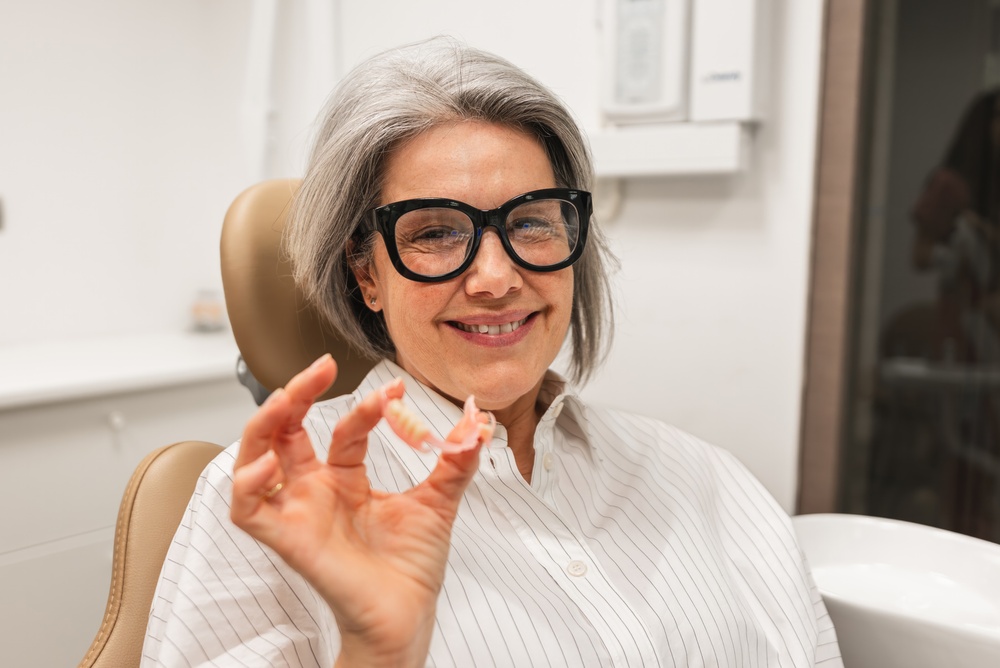
Implant-supported dentures and traditional dentures solve the same problem in very different ways. Research has measured real differences between them in bone loss, chewing power, and patient satisfaction. The numbers tell a clearer story than most people expect.
This guide breaks down four measurable differences backed by clinical research. Each one connects to your long-term oral health in a specific way. Here is what the evidence actually shows, so you know exactly what to ask before your next appointment.
Key Takeaways
- Traditional dentures can cause noticeable jawbone loss within the first year, while implant-retained dentures significantly slow that process.
- Clinical testing shows implant-retained overdentures need far fewer chewing strokes than traditional dentures to break down food.
- Patients consistently report greater comfort, stability, and confidence with implant-retained dentures than with traditional dentures.
- Implants involve surgery, sometimes bone grafting, and months of healing, making traditional dentures the more practical choice for some patients.
- This guide answers common questions about cost, healing time, food restrictions, and how long results last.
Difference #1: Bone Loss: Why Traditional Dentures Quietly Shrink Your Jawbone
Bone loss is the difference you cannot see happening, but it shapes everything else on this list. Tooth loss sets off a chain reaction in the jaw. Most people never notice until their denture stops fitting right.
What Happens to Your Jawbone After Tooth Loss
Natural teeth keep the jawbone active through the pressure of daily chewing. Once teeth are gone and a traditional denture takes over, that pressure disappears, and the bone starts to change. Research on alveolar bone tracks this decline in predictable stages:
- Noticeable density loss within the first three months of wearing a traditional denture
- Continued shrinkage through the six-month mark as the jaw adjusts to reduced pressure
- Bone loss reaching 44% at 12 months in patients without implant support
That last figure means nearly half the bone structure in the lower jaw can disappear within a single year. Over time, this changes more than the fit. Jawbone loss can alter the shape of the lower face. It can also leave the ridge too thin for a comfortable denture base.
How Implant-Retained Dentures Help Preserve Bone
Implant-retained dentures work differently because titanium posts placed directly in the jawbone act like new tooth roots. Every time you chew, that force travels through the posts and into the bone instead of spreading across soft tissue. That pressure signals the body to maintain jawbone density instead of losing it.
This bone-stimulating effect is not unique to dentures. It applies to any implant-supported restoration, which is one reason providers often recommend implants for long-term jawbone health.

Difference #2: Chewing Power: The Real Gap Between Implant and Traditional Dentures
Chewing strength is easy to measure, and the research gives a clear, specific number to compare.
The Chewing Stroke Study, By the Numbers
One clinical trial tracked how many chewing strokes each denture type needed to break food into the same particle size. Traditional dentures took nearly twice as much effort. They needed 69 strokes as compared to 40 strokes for implant-retained overdentures to match.
That gap has real effects at mealtime. Poorly chewed food forces your digestive system to work harder to compensate. Many patients with limited chewing ability start cutting foods from their diet without realizing why.
Why the Chewing Gap Exists
Traditional dentures rely on suction, denture adhesive, and the shape of the gum ridges to stay in place. When you bite down firmly, the denture can shift. Keeping the appliance stable wastes some chewing force that could go toward breaking down food.
Foods patients commonly cut back on include:
- Raw vegetables and fresh salads
- Nuts and seeds
- Tougher cuts of meat
- Crusty bread and firm fruit
A separate study looked at chewing satisfaction in a different patient group and found a similar pattern. Only 8.6% of conventional denture wearers reported high satisfaction with chewing, compared with 36.2% who were very satisfied using implant overdentures. Two separate studies point in the same direction, suggesting this chewing-power gap is consistent, not a one-time result.
Difference #3: Patient Satisfaction: Which denture do people actually prefer?
Patient satisfaction adds something that stroke counts and bone density numbers cannot capture. It shows how daily life actually feels with each type of prosthesis.
Stability, Speech, and Everyday Confidence
A traditional denture rests on the gum ridges and relies on adhesive or suction to stay in place. Traditional dentures often move during speech. Many patients quietly adjust how they talk or eat throughout the day to keep the denture stable.
Fixed implant dentures do not move. They stay attached through meals and conversations without extra effort. Patients who switch from a removable prosthetic to fixed implant dentures often say they stop thinking about the denture entirely. Speech clarity tends to improve once the appliance stops shifting against the tongue.
Oral Hygiene: What Changes With Each Option
Daily care looks different depending on which denture design you choose.
- Traditional dentures come out completely for cleaning, and the gum tissue underneath needs regular attention to avoid irritation.
- Implant-retained dentures stay in place and require cleaning around the implant attachments as part of your normal oral hygiene routine.
- The denture base is typically smaller with an implant-supported design, since it does not need to cover as much tissue for stability.
Most patients adjust to a new hygiene routine within a few weeks, regardless of which option they choose.
The Honest Trade-Off Between Cost and Satisfaction
A systematic review compared both prosthesis types and found significant improvement in comfort, speech, chewing, and stability for implant-retained dentures. Traditional dentures scored closer to implants on esthetics and hygiene.
That same body of research is honest about the trade-off. Traditional full dentures still deliver adequate results for patients where upfront cost and accessibility matter most. Not every patient needs the added expense of implants to feel satisfied with their tooth replacement.
Difference #4: Surgery and Recovery: The Trade-Off Behind Implant-Retained Dentures
The first three differences favor implant-retained dentures. They require a real commitment that traditional and partial dentures do not.
When Bone Grafting Becomes Necessary
Bone grafting becomes necessary when a patient’s jawbone has already lost too much density to support implants securely. This is more common in the upper jaw, since bone quality there tends to be lower than in the mandible. A review of overdenture attachment systems confirms that maxillary cases require a minimum of four implants.
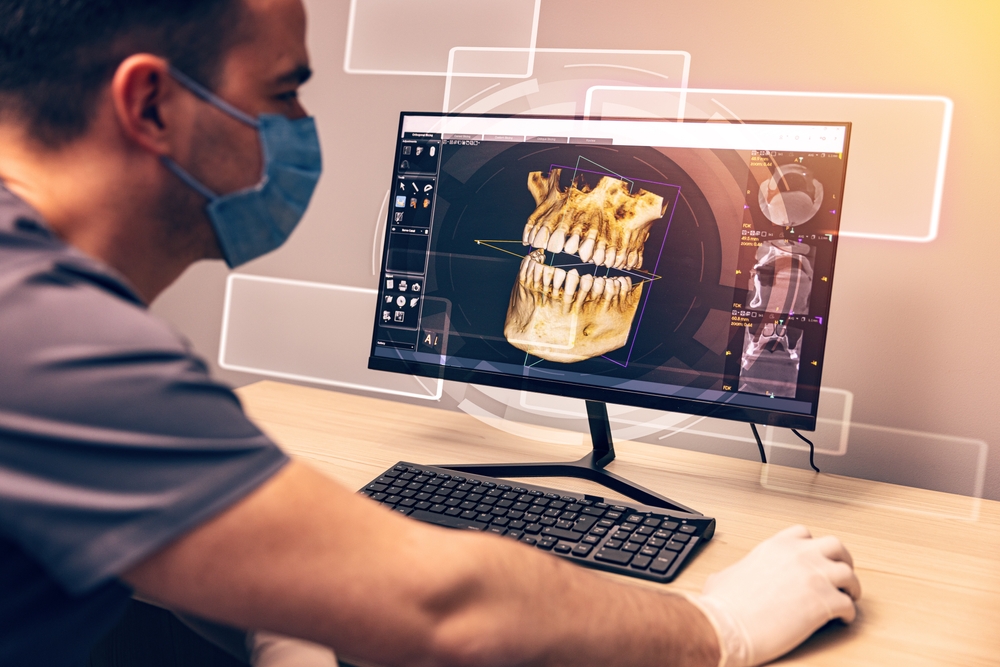
If your jaw has already lost significant density from jawbone atrophy, a graft may be the first phase of treatment. Your oral surgeon will assess bone volume through imaging, often paired with dental impressions, before mapping out next steps. This step alone can add several months to your overall timeline.
Who Isn’t a Good Candidate for Implants
Not every patient qualifies for implant surgery.
- Insufficient bone density even after evaluating grafting options
- A preference to avoid a surgical procedure altogether
- Limited healing time before a planned event or life change
- Budget constraints that make traditional or full dentures more practical
For patients in any of these situations, conventional dentures remain a functional, well-established option.
Still weighing your options? See If Implant-Supported Dentures Fit You
Implant-supported dentures win out on three fronts: they protect your jawbone, restore more chewing strength, and earn higher satisfaction scores from patients who have tried both. Traditional dentures still have a place, especially for anyone who wants to avoid surgery or needs a faster, more affordable path back to a full smile. The right call comes down to your bone density, your health history, and how much these day-to-day differences matter to you.
At Tri-Cities Center for Cosmetic Dentistry, Dr. Kathy Sanders and Dr. Erika Lovett will walk you through both options honestly, starting with your first visit, where we review your bone density and talk through a realistic timeline. If you are ready to find out which option actually fits your smile, contact our team today.
FAQs
What are implant-supported dentures?
These are full-arch replacement teeth anchored to titanium posts placed in the jawbone, rather than resting loosely on the gums like a traditional denture. Because they are fixed in place, they function much closer to a full set of natural teeth. Many patients choose this option specifically because it also protects the jawbone from the shrinkage that removable dentures cannot prevent.
How long does it take to get implant-supported dentures?
Treatment typically unfolds in phases rather than a single visit. After an initial evaluation and any needed bone grafting, your provider places the implants and gives them three to six months to fuse with the jawbone. Many patients wear a temporary denture during this healing window, then return for final fitting once the implants are stable and ready to support the permanent restoration.
Are there any food restrictions with implant-supported dentures?
In the first week or two after surgery, soft foods and liquids protect the healing implant sites while swelling goes down. As healing progresses over the following weeks, most patients gradually reintroduce firmer foods without much trouble. Once implants have fully integrated, the main long-term caution is avoiding extremely hard or sticky foods that could strain the prosthetic components over time.
How long do implant-supported dentures last?
The titanium implants themselves often last decades, sometimes a lifetime, when patients keep up with regular dental visits and good oral hygiene. The denture portion attached to the implants tends to wear differently and may need relining or replacement after roughly ten to fifteen years of daily use. Habits like teeth grinding can shorten that timeline, so your dentist will monitor wear at routine checkups.
Is the implant-supported denture procedure painful?
Local anesthesia, and sometimes sedation, keeps you comfortable during the actual placement, so most patients feel pressure rather than sharp pain in the moment. Afterward, mild soreness and swelling are common for a few days and usually respond well to over-the-counter or prescribed medication. Most people describe the recovery as easier than a tooth extraction, and discomfort typically fades within about a week.