

A dental inlay can fill the gap between a filling and a crown, sitting inside a tooth’s cusps instead of covering the whole biting surface. Many patients never hear about this option before agreeing to a crown.
Tooth decay is one of the most widespread dental problems in the country. Dental caries remains the most common chronic disease among both children and adults. That’s part of why so many people eventually face a cavity too large for a standard filling.
This guide breaks down how inlays protect tooth structure and what research shows about their lifespan. It also covers how a dentist decides between a filling, an inlay, and a crown. You’ll also find quick answers on cost, insurance, and material safety near the end.
Key Takeaways
- An inlay sits within a tooth’s cusps, while a crown covers the entire biting surface.
- Long-term research shows ceramic inlays and onlays survive nearly as well as gold crowns over decades.
- Long-term studies also show ceramic inlays cause fewer root canal complications than gold crowns.
- Placing an inlay usually takes two visits, from tooth preparation to bonding with dental cement.
- The choice between a filling, an inlay, and a crown depends on how much cusp structure remains.

When A Big Cavity Is Too Large For A Filling But Too Small For A Crown: Understanding Inlays & Onlays
A big cavity doesn’t automatically mean you need a crown. Inlays and onlays sit between standard dental fillings and full crowns. Both fall under a broader category called indirect restorations.
Filling vs. Crown vs. Inlay: What’s the difference?
Each dental restoration type protects the tooth differently:
- Dental fillings are packed into the tooth while soft and work best for small cavities surrounded by healthy tooth structure.
- Large fillings in bigger cavities can flex under chewing pressure, which can crack the tooth over time.
- Dental crowns, sometimes called a tooth cap, cover the entire biting surface but require permanent removal of healthy tooth enamel.
- Inlays are fabricated outside the mouth, usually from ceramic or porcelain, and cemented into a preparation within the cusps.
- Onlays cover one or more weakened cusps, preserving more of the tooth than a crown would.
Inlays and onlays are both indirect restorations, shaped in a dental lab rather than built directly in the mouth. That lab step allows tighter control over fit and material strength.
Does it matter whether the cusps are intact?
Yes, and it’s the main factor in deciding whether an inlay works. Cavity size is a starting point, but cusp condition tells the real story.
Research on root-filled teeth supports this. A 2016 systematic review found that ceramic onlays had a 91% ten-year survival rate. That matches crowns while preserving more of the tooth’s natural structure.
A separate critical review found that preservation of a large remaining coronal tooth structure is key to long-term crown survival. That’s why a dental professional will always assess how much cusp structure remains before recommending a restoration.
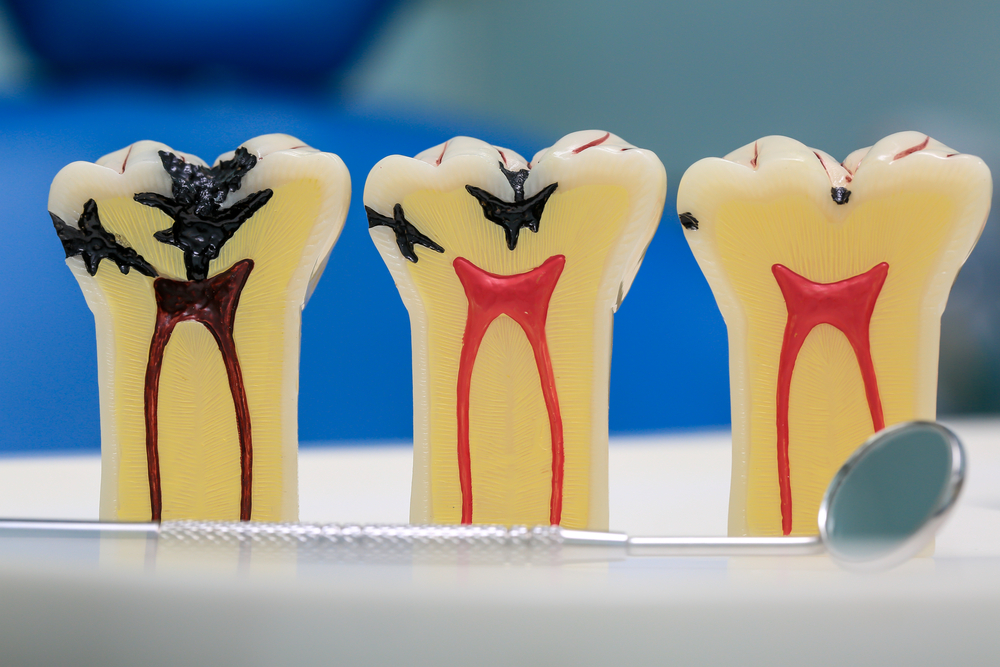
How Tooth Decay Damages Structural Integrity And What Happens When Posterior Teeth Take The Hit
Tooth decay doesn’t stay small on its own. Left untreated, it can progress from a minor spot into severe decay, threatening the tooth’s structural integrity.
How Cavities Form and Spread
Plaque bacteria produce acid from sugar, and that acid dissolves tooth enamel over time. Cavity-causing oral bacteria then work deeper into the tooth, often without early pain.
Consistent oral care, fluoride treatment, and dental sealants all help slow this process. They can prevent decay from ever reaching the point of needing an inlay or crown. Without those preventive steps, recurrent decay around old fillings becomes far more likely.
Posterior teeth, the molars and premolars at the back of the mouth, absorb most chewing forces during normal eating. A weakened posterior tooth can suffer a tooth fracture under load. A fracture reaching the root often can’t be saved.
What the Long-Term Research Shows
A retrospective study followed patients with ceramic inlays, onlays, or cast gold crowns for up to 24.8 years. The results were close:
- Ceramic restorations reached cumulative survival rates of 93.9% at just over 15 years in service.
- Gold crowns reached 92.6% over a similar period and 91.8% by 23.5 years.
- Endodontic complications affected only 2.7% of ceramic inlay and onlay cases, compared with 8.8% for gold crowns.
That complication gap comes down to preparation size. A crown removes tooth enamel around the entire tooth, while an inlay stays within the cusps.
Less removal means less trauma to the pulp and a lower chance of needing root canal treatment later. Materials also respond differently under stress distribution during chewing, which is part of why material choice affects long-term outcomes.
When An Inlay Isn’t Enough
A dentist may recommend a crown or more comprehensive treatment when decay or an abscess has already compromised the tooth. Other warning signs include:
- A tooth fracture that extends into a cusp
- Decay that spreads beyond the central portion of the biting surface
- Prior dental injury that has already weakened cusp strength
Only a dental clinic exam can confirm which category a tooth falls into.
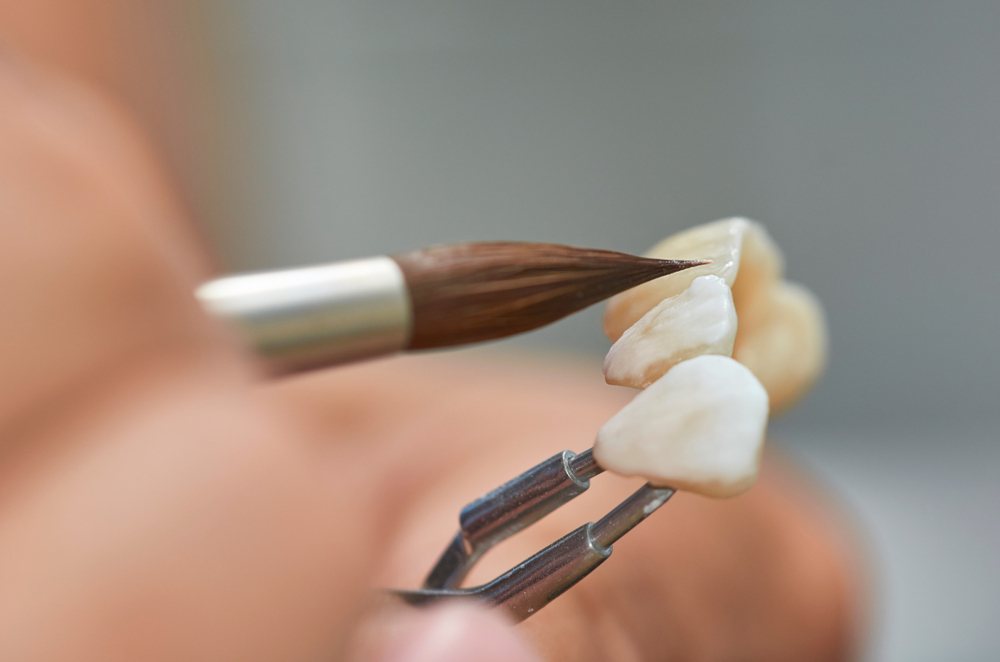
From Tooth Preparation To Final Restoration: What The Dental Procedure Actually Involves
Placing an inlay is a two-visit dental procedure. Knowing what happens at each step removes most of the uncertainty patients feel. Once you know what to expect, there’s little reason for dental anxiety.
Visit One: Preparation and Temporary Cover
- Your dentist removes decay with a dental drill and shapes the tooth preparation to stay within the cusps.
- Your dentist takes a digital scan or impression and sends it to a lab, where technicians custom-fabricate the inlay.
- Your dentist places a temporary inlay over the prepared tooth to protect it while the lab completes the work.
Mild tooth sensitivity during this period is normal and usually fades once your dentist places the final restoration.
Visit Two: Bonding the Final Restoration
The temporary cover comes off, and your dentist checks the fit before bonding the inlay into place with dental cement. Your dentist will also check the gum line at both visits.
Preparations near the gum tissue need careful margins to prevent gum recession or gaps where decay could restart.
What Determines How Long It Lasts
Research on ceramic inlays for posterior teeth found some restorations reach an estimated survival probability of 93.5% over 10 years. That’s close to typical crown longevity, without the enamel removal a crown requires.
Longevity generally depends on:
- Regular dental checkups and consistent dental hygiene at home
- Clean, well-sealed margins at the time of placement
- Whether preparation margins sit in sound enamel, confirmed through dental X-rays
- How much cusp structure remained before treatment
Cavity size is the symptom. Cusp structure is the diagnosis.
Ask Us If A Dental Inlay Is Right For You!
A dental inlay often gives you the durability of a crown without sacrificing as much natural tooth structure. The right choice between a filling, an inlay, and a crown depends on how much cusp structure survives, not how large the cavity looks. A short exam with dental X-rays at your first visit is usually enough to tell which option fits your tooth.
Dr. Kathy Sanders and Dr. Erika Lovett at Tri-Cities Center for Cosmetic Dentistry can examine your tooth in person. They’ll tell you plainly whether an inlay will do the job, or whether you need something more. Contact our practice to schedule an exam and get real answers instead of guesswork.
FAQs
What are inlays for teeth?
An inlay fills a cavity within a tooth’s cusps rather than covering the entire biting surface. Your dentist sends an impression to a lab, where technicians shape the restoration from ceramic or porcelain to match your natural tooth color. Once ready, they bond it into place with dental cement. Many patients choose inlays specifically because they blend in with surrounding teeth better than metal fillings.
Does dental insurance cover inlays?
Coverage depends on your specific plan and why you need the restoration. Some insurers process inlays under the same category as fillings, while others treat them like crowns, which can significantly change your reimbursement. A few plans even list inlays as cosmetic if the material is tooth-colored, so it helps to confirm the classification. Ask your insurer for a pre-treatment estimate before scheduling.
How long do dental inlays last?
Most inlays last for years, though daily habits play a bigger role than most patients expect. Teeth grinding or clenching at night can wear down a ceramic inlay faster than normal chewing, so a nightguard is often recommended for patients who grind. Diet matters too, since hard or sticky foods put extra strain on the bonded edges. Routine follow-up visits help catch small issues early.
How much do dental inlays cost?
Price depends on the material, the tooth’s location, and how much surface area needs rebuilding. Molars often cost more than premolars simply because they carry heavier bite forces and need thicker material. Porcelain and ceramic options typically cost more than composite because they require lab fabrication time. Your dentist can walk you through a personalized quote once your treatment plan is set.
Do dental inlays contain mercury?
No, modern ceramic and porcelain inlays contain no mercury, making them a common choice for patients with metal sensitivities. Mercury exposure concerns come from older amalgam fillings, not today’s tooth-colored materials. If you’re replacing an old amalgam filling with an inlay, your dentist follows safe removal protocols to limit exposure. Ask about material options at your next visit if you have safety questions.