

Learning how to care for porcelain veneers can help you avoid the fracture, chipping, and gum problems behind most complications. Grinding, hard-bristled brushes, and skipped checkups each play a specific role in veneer failure. The five habits below target those exact risks, using patterns found in clinical research rather than generic advice.
Key Takeaways
- Bruxism is a leading cause of veneer fracture, and a nightguard helps prevent it.
- Abrasive toothpaste and hard-bristled brushes wear down the enamel bond that holds veneers in place.
- Gum tissue changes are common after veneer placement and affect long-term patient satisfaction.
- Long-term studies show these habits are reflected in real survival rates, not just recommendations.
- Below are answers to common questions about staining, whitening, and gum health.
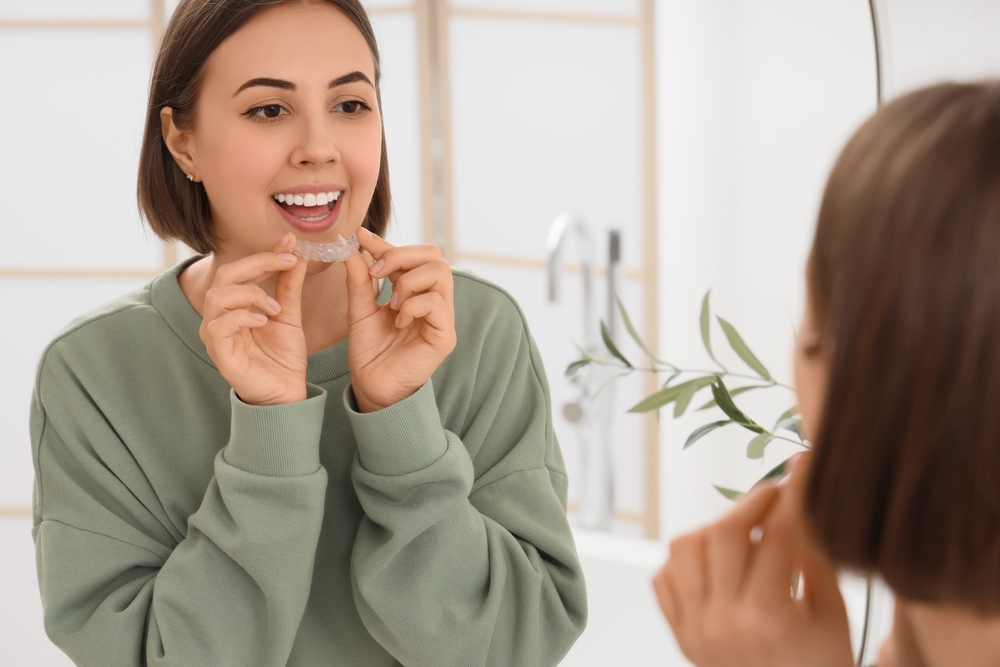
Habit 1: Wear a Nightguard If You Grind Your Teeth
Bruxism, or teeth grinding, is one of the most common causes of veneer fracture. It puts repeated, uneven pressure on a restoration built for normal biting forces.
Why Nighttime Grinding Damages Veneers
Grinding places repeated stress on the thin porcelain shell of a veneer. Clinical literature on veneer fracture notes that a night guard is recommended for patients with a history of grinding. A nightguard distributes bite force across the full arch instead of concentrating it on a few teeth.
A custom appliance fits differently than an over-the-counter version. Many dental offices fit patients with a custom-fitted guard because it offers more reliable protection by matching your specific bite.
Signs You Might Be Grinding at Night
Grinding often happens during sleep, so many people don’t realize they’re doing it. Watch for:
- Waking up with a sore jaw or dull headache
- A partner mentioning they hear grinding at night
- Flattened or worn edges on your natural teeth
- Increased tooth sensitivity in the morning
Bring any of these up at your next dental appointment. Your dental team can check for early wear before a veneer cracks.
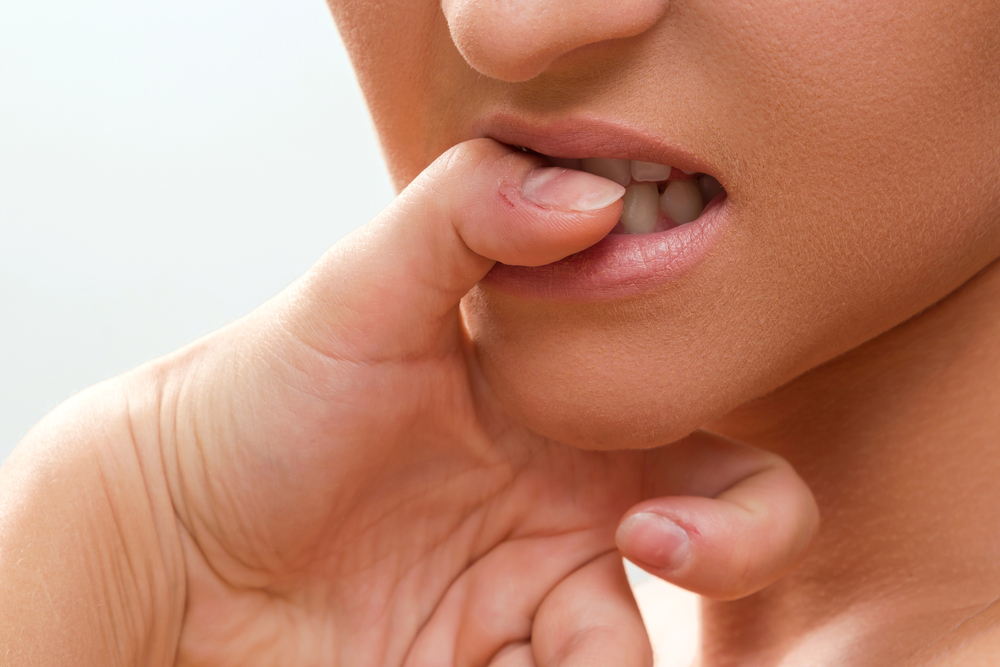
Habit 2: Stop Using Your Front Teeth as Tools
Fracture doesn’t only come from grinding. Everyday habits that apply sharp, uneven pressure to a veneer’s edge are just as damaging over time.
Everyday Habits That Put Force on Veneers
Point-loading force, sharp pressure concentrated on one small spot, is a fast route to a chipped or fractured veneer. Common culprits include:
- Biting your fingernails
- Tearing open packaging with your teeth
- Chewing on a pen or pencil
- Opening bottle caps with your front teeth
Porcelain handles even, distributed force well. It’s far more vulnerable to that kind of sudden, localized impact. Tooth decay and dental caries can also weaken the tooth structure beneath a veneer. That makes it less able to absorb sudden stress.
What Long-Term Survival Data Shows
Long-term data puts the stakes in concrete terms. A retrospective study following ceramic veneers for 15 years reported a cumulative 15-year estimated survival rate of 96%.
Veneers bonded only to enamel performed better than those with dentin exposure. That gap shows how much tooth health affects long-term results. Protecting the natural tooth underneath matters just as much as protecting the porcelain on top.

Habit 3: Switch to Non-Abrasive, Enamel-Safe Hygiene Products
Preventive care for veneers isn’t about adding more steps to your routine. It’s about choosing the right products for the enamel bond underneath.
Products and Habits to Avoid
Certain everyday products quietly wear down the enamel your veneer is bonded to:
- Toothpaste marketed for heavy whitening or stain removal
- Hard-bristled toothbrushes
- Harsh whitening mouth rinses
- Chewing ice or hard candy
A hard-bristled brush doesn’t clean better than a soft one. Over time, it abrades the gum line and tooth surface, shifting the bonding environment from enamel toward dentin.
A systematic review of veneer bonding found that enamel-bonded restorations showed higher survival and success rates than dentin-bonded ones. That is why enamel preservation matters from the moment a veneer is prepared.
Lifestyle Factors That Affect the Bond
Oral hygiene routines that support veneer longevity also account for what you eat and drink. Acidic beverages soften enamel over time. Dark drinks like coffee or red wine can also stain the cement margins around a veneer. Rinsing with water afterward reduces that exposure.
Tobacco use affects both enamel and the soft tissue around veneers. Research on smokeless tobacco use links it to an increased incidence of gingival recession. That recession can expose veneer margins and affect appearance over time. Left unaddressed, gum recession and enamel wear can also contribute to visible facial aging around the mouth.
Dental teams sometimes apply fluoride varnishes at professional visits to help strengthen enamel against this kind of wear.
Enamel protection matters across every life stage. The same habits that prevent early childhood caries in kids apply to adults too. Limiting sugar and reinforcing enamel protects a veneer bond decades later.
Habit 4: Keep Up With Professional Cleanings and Periodontal Care
Professional cleanings matter for veneer patients in a specific way that goes beyond removing plaque. Gum changes around a restoration often develop without symptoms you’d notice at home.
Why Gum Health Affects Veneer Success
A survey on soft tissue changes after veneer placement found that gum tissue reactions were common among respondents. It also noted that satisfaction was significantly higher among patients who didn’t experience gum overgrowth.
Periodontal care plays a direct role here. Periodontal disease affects the bone and tissue supporting your veneers. When that support weakens, the restoration itself is at risk.
What a Professional Cleaning Includes
A typical veneer-focused cleaning visit checks for:
- Plaque and tartar buildup along the gumline
- Early gum irritation or bleeding
- Bad breath linked to bacteria at the margins
- Changes in gum tissue around each veneer
Professional cleanings at this practice are part of our Comprehensive Dental Hygiene Program. This program addresses the specific needs of patients with veneers and other restorations.
Habit 5: Don’t Skip Your Scheduled Follow-Up Visits
Veneers can look and feel fine for months while a small problem quietly develops underneath. Scheduled follow-up visits catch what daily habits can’t.
What Happens During a Veneer Check-Up
A dental exam for a veneer patient covers more than a standard checkup. Your dental team typically reviews:
- The margins around each veneer for gaps or wear
- Gum tissue health near the restoration
- How your bite loads the veneers during normal function
- Any signs of chipping, cracking, or color change
How Often You Should Be Seen
Dental guidance on recall scheduling notes that routine visits allow early detection of oral disease before it progresses. Most veneer complications don’t cause pain early on, so a trained eye often spots them long before you would. Spending a few minutes in the dental chair every six months is far simpler than replacing a veneer later.
Here’s How To Care For Porcelain Veneers, Habit By Habit
Caring for porcelain veneers really comes down to protecting two things at once: the porcelain itself and the tooth structure underneath it. Skipping any of these five habits puts extra strain on the others, which is why they work best as a set rather than a pick-and-choose list. The habits themselves are simple. Consistency is what separates a veneer that lasts fifteen years from one that needs early repair.
If you’re ready to build these habits into your own routine, Dr. Kathy Sanders, Dr. Erika Lovett, and the team at Tri-Cities Center for Cosmetic Dentistry are here to help. Contact our practice to schedule your next veneer check-up.
FAQs
Can veneers stain, and should patients avoid certain foods or drinks?
Porcelain resists staining far better than composite veneers or natural enamel, since it’s a dense, glass-like material that doesn’t absorb pigment easily. The discoloration patients notice usually happens at the cement margins, not the porcelain surface. Using a straw for coffee, tea, or wine limits contact with those margins. If staining develops, a dental team can often polish the margins instead of replacing the veneer.
How long do porcelain veneers typically last?
Well-made porcelain veneers commonly last 10 to 15 years, though some patients see 20 years or more with excellent care. Longevity depends heavily on the ceramist’s skill and the porcelain grade used, since higher-grade materials resist wear better. Many veneers are eventually replaced not because they failed, but because a patient’s bite or smile preferences changed over time. Choosing an experienced cosmetic dentist matters as much as your daily habits.
Is it safe to whiten teeth that have veneers?
Whitening gels and trays are designed to lighten natural enamel, and they do not affect porcelain, so veneers stay the exact shade they were made in. Patients often whiten their natural teeth first, then have veneers custom-shaded to match afterward. If you already have veneers and want a brighter smile, ask about replacement rather than whitening treatments, since gels can irritate surrounding gum tissue.
Can poor gum health affect veneer longevity?
Early gum disease, called gingivitis, is reversible with better brushing, flossing, and professional cleanings. However, the more advanced stage, periodontitis, permanently damages the bone and tissue that hold your teeth in place. Veneer patients with diabetes or a family history of gum disease often need shorter intervals between cleanings, sometimes every three to four months instead of six. Watching for early bleeding or swelling protects both your gums and your veneers.
Do veneers require any special cleaning tools or products?
Beyond a soft brush and gentle toothpaste, an interdental brush cleans tight spaces between veneers more thoroughly than floss alone. Avoid trendy charcoal-based whitening powders, since their gritty texture can scratch porcelain and dull its natural shine over time. A water flosser can help reach under bridge-like restorations, though it shouldn’t fully replace traditional flossing. Ask your dental team which products best suit your veneers.