

A porcelain front tooth crown permanently removes tooth structure that cannot grow back. That fact should shape how you approach the decision. Seven questions can help you understand the procedure before you commit.
Each one targets a specific part of the process, from enamel removal to long-term survival. Asking them upfront gives you a clearer picture of the tradeoffs.
Key Takeaways
- Enamel removal is permanent and cannot be reversed.
- Material choice affects gum health, appearance, and how the crown ages.
- Nerve testing before preparation can prevent a surprise root canal later.
- Survival rates vary widely based on bite forces and material used.
- Remaining tooth structure determines whether you need extra treatment steps first.

Question 1: Will the preparation remove enamel permanently, and how much?
Cosmetic dental treatment on a front tooth involves planning most patients never think to ask about. Before any preparation begins, your dentist should evaluate whether a crown is truly the right option.
Why Enamel Removal Can’t Be Undone
Enamel does not grow back once removed. That permanence matters because restorations themselves aren’t permanent either. Dental crowns and fillings do not last a lifetime and typically need replacement over time. That’s why minimizing enamel loss during the first procedure is worth asking about.
A dental exam before treatment shows exactly how much reduction is needed. It also reveals whether a less invasive option could work instead.
What Your Dentist Should Check Beforehand
A few checks typically happen before any drilling starts:
- A screening for gum disease to confirm tissue is stable and not inflamed
- A dental exam to measure how much tooth structure remains
- A professional cleaning to reduce plaque before the final impression
- Patient education on how to care for the crown margin once your dentist places it
Active gum disease changes the gum line over time. A crown placed on inflamed tissue may not fit well within a year. Good oral hygiene at the crown margin becomes more important once the restoration is in place. That area traps plaque and makes it harder to detect cavities.
Question 2: What material and design choices fit this tooth?
A dental crown for a front tooth uses different materials than one for a back molar. Visibility, tissue response, and light transmission all matter more for a tooth that shows when you smile.
Comparing Crown Materials
A study comparing porcelain-fused-to-metal crowns with zirconia crowns on front teeth found a clear difference in tissue health. Zirconia crowns performed significantly better at maintaining lower plaque and gum-health scores at six months. For a visible tooth, that cosmetic improvement in surrounding tissue is part of the result, not separate from it.
Composite resin comes up in conversations about smaller restorations. For a full crown on a front tooth, ceramic-based materials remain the more common choice. Enamel preparation depth also varies by material, and the amount removed can affect future restoration options.
How the Crown Is Designed and Built
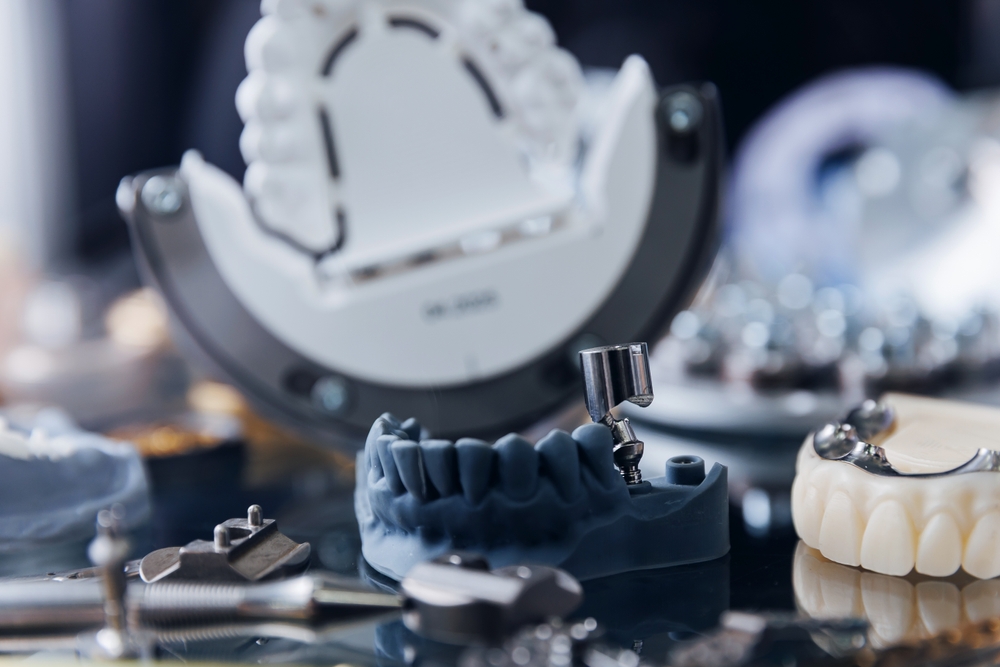
Digital tools have changed this part of the cosmetic workflow significantly. Digital impressions capture the prepared tooth without physical trays. Digital scanners then send that precise data straight to the dental lab. The lab builds the crown using that data along with shade and shape instructions.
How Bite and Facial Design Are Evaluated
Material is only half the conversation. A bite analysis before placement identifies loading patterns that could stress the crown. Bite discrepancies, even small ones, concentrate force unevenly on a front tooth and increase wear.
For this reason, a bite and jaw check is part of pre-crown planning. Facial harmony also matters for visible teeth. The width, length, and shade of a front crown affect how the whole smile reads.
Some cases call for a tooth movement strategy as part of the broader plan. Progress monitoring after cementation catches small bite shifts before they become bigger problems.

Question 3: Is the tooth’s pulp vital, and could preparation put it at risk?
A vital nerve inside the tooth changes the entire treatment plan. Preparation itself can affect the nerve, which is why testing matters before any drilling starts.
How Pulp Testing Works
Clinical research on crowned teeth found that testing methods work best in combination rather than alone. Both the cold test and electric pulp testing matter here. Together, they serve as an adjunctive diagnostic tool for determining pulp status, not a standalone answer.
Testing the pulp before treatment tells your dentist whether the nerve is already compromised. If it is, a root canal may need to happen before the crown, not after.
Question 4: What happens if root canal treatment becomes necessary after the crown is placed?
If root canal treatment becomes necessary after cementation, your dentist must drill through the finished restoration. That’s the only way to reach the pulp. That process affects the crown’s structure and turns a routine procedure into a complicated one.
Asking about this possibility before treatment starts helps you avoid a surprise later. It also gives your dentist a chance to plan for it in advance.
Question 5: How will shade matching be verified, and under what lighting?
Shade matching is where many patients end up disappointed with the final result. When your dentist confirms a crown’s shade under office lighting, it can look different in daylight or under fluorescent light.
Ask how your dentist verifies the shade match, and under what lighting conditions. Mismatched shade under different lighting is one of the most common complaints about front tooth restorations. It’s a preventable problem when verification happens early.
Question 6: What’s the expected survival timeline, and what typically causes failure?
Survival data gives you a factual starting point for this conversation. Research on zirconia clinical performance found survival rates ranging from 73.9% to 100% over two to five years.
Common Reasons Front Tooth Crowns Fail
Long-term crown research identifies porcelain fracture and mechanical complications among the most frequently reported failure types. Biological issues like decay also appear on that list. The three most common failure points for front tooth crowns specifically are:
- Fracture of the crown material under bite force
- Loss of retention, where the crown loosens over time
- Secondary decay forming at the crown margin
That wide survival range exists because patient factors, bite forces, and clinical conditions vary from case to case. Your dentist’s read on your specific situation tells you more than an average statistic ever could.
Question 7: Is there enough healthy tooth structure, or is a post-and-core buildup needed first?
The last major question concerns how much healthy tooth structure remains. Research on short clinical crown treatment offers a clear answer. Retention depends mainly on the prepared tooth’s surface area and height, not just the material used.
When too little structure remains, your dentist needs a post-and-core buildup first. That step adds time to treatment and changes the scope of what you’re agreeing to. Confirming whether a buildup is already part of your plan prevents timeline surprises later.
Make an Informed Choice About Your Porcelain Front Tooth Crown
Committing to a porcelain front tooth crown means weighing permanent enamel loss against a more confident smile. Material choice, nerve health, and remaining tooth structure all shape how well the restoration performs over time. Survival rates also vary widely from patient to patient.
Bringing these seven questions to your next visit helps you avoid surprises. Contact us today to schedule a visit with our team at Tri-Cities Center for Cosmetic Dentistry.
FAQs
How long does a crown on a front tooth typically last?
Survival rates for zirconia front tooth crowns range from 73.9% to 100% over two to five years in clinical research. Daily habits make a difference too. Avoiding ice chewing, nail biting, and wearing a nightguard if you grind your teeth can help a crown last closer to the higher end of that range. Regular checkups also let your dentist catch small issues early.
Will the crown on my front tooth look natural?
Shade matching is the biggest factor in how natural a crown looks. Modern ceramic materials mimic the way light passes through real enamel, helping a crown blend with neighboring teeth. Viewing the shade in natural daylight, not just under office lighting, gives a more accurate preview of the final result. Most patients report strong satisfaction with the appearance once the crown settles in.
Is getting a crown on a front tooth painful?
Local anesthesia numbs the area before your dentist begins, so most patients feel pressure rather than sharp pain during preparation. Mild soreness or sensitivity in the days afterward is common and usually manageable with over-the-counter pain relievers. Discomfort typically fades within a few days as the tooth and surrounding tissue adjust. Patients with dental anxiety can ask about sedation options to make the visit easier.
Can a front tooth crown be replaced if I'm unhappy with the appearance?
Yes, though replacing a crown means preparing the tooth again and building a new restoration. Most practices use a temporary crown first, giving you a chance to preview the shape and shade before making the final version. Raising concerns during that trial period, rather than after cementation, saves both time and the cost of a full redo. Clear communication early on leads to fewer surprises later.
How do I care for a crown on a front tooth to make it last?
Brush twice daily and floss carefully along the crown margin, where plaque tends to collect. Avoid biting into hard foods like ice, hard candy, or popcorn kernels, since sudden force can chip or crack the crown. Ask about a nightguard if you grind your teeth while sleeping. Routine professional cleanings let your dentist catch early wear before it becomes a bigger problem.
Citations/Sources
- https://www.ncbi.nlm.nih.gov/pmc/articles/PMC12229241/
- https://www.ncbi.nlm.nih.gov/pmc/articles/PMC8461491/
- https://pmc.ncbi.nlm.nih.gov/articles/PMC3381206/
- https://pmc.ncbi.nlm.nih.gov/articles/PMC3917630/
- https://pmc.ncbi.nlm.nih.gov/articles/PMC8227166/
- https://www.nidcr.nih.gov/health-info/dental-fillings