

Types of dental crowns are not interchangeable, and where a tooth sits in your mouth changes which material makes sense. A crown on a front tooth needs to blend into your smile. A crown on a back molar needs to survive years of chewing force. What works well in one spot can fail in another.
Each crown option prioritizes different things. Front crowns focus on translucency and shade. Back crowns focus on strength and long-term wear resistance. This guide breaks down why front and back teeth need different crown materials. It also covers what that means for your treatment plan.
Key Takeaways
- Front teeth need crowns that mimic natural enamel and support healthy gums.
- Back teeth need crowns built to handle heavy chewing forces every single day.
- Zirconia now performs well in both front and back tooth positions.
- Temporary and stainless steel crowns solve short-term problems, not long-term ones.
- Your dentist chooses crown material based on your bite, not just tooth location.
Why Your Front Teeth Need a Completely Different Crown Than Your Back Teeth
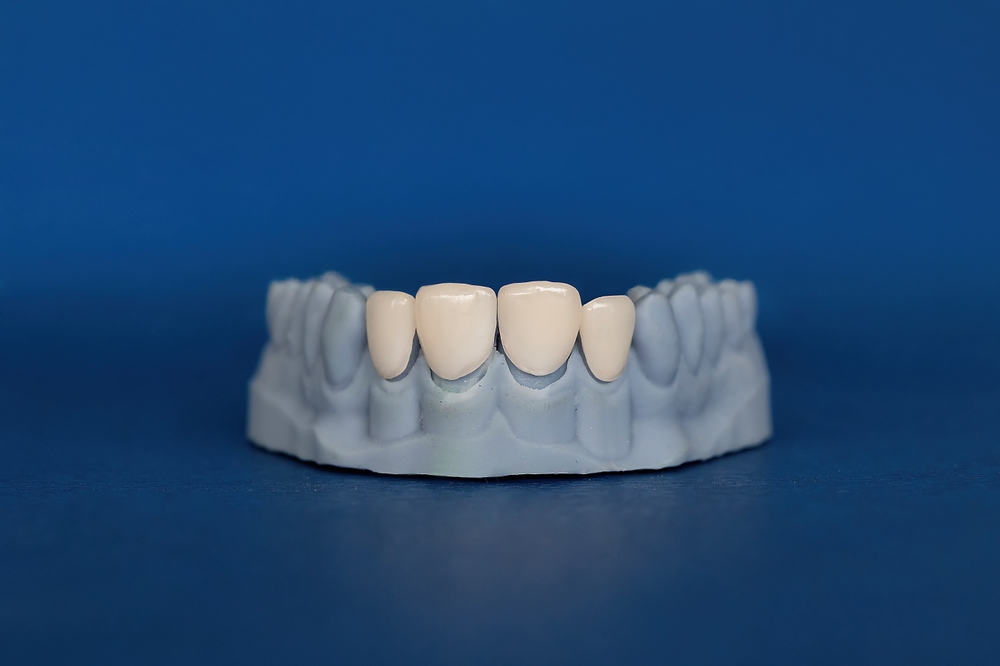
Tooth-colored crowns dominate the front of the mouth for one simple reason. Front teeth carry lighter bite forces, so looks take priority over sheer strength. Dentists lean on materials that mimic tooth enamel instead of the heavy-duty metals used further back in the mouth.
Why Zirconia and Ceramic Crowns Mimic Natural Teeth
Tooth enamel has a natural translucency that lets light pass through and scatter. All-ceramic and zirconia crowns copy that effect, which helps them look like real teeth instead of restorations. A few materials commonly used for this purpose include:
- Porcelain crowns, which come close to matching enamel’s natural shine
- E-Max crowns, made from lithium disilicate for added translucency
- Zirconia crowns, valued for strength combined with a tooth-like appearance
Research on anterior crowns confirms that fracture resistance is a critical factor in how long these restorations last. Modern zirconia’s strength makes it a dependable choice for the visible zone of your smile.
The Gum Health Connection
Preventing gum disease is another reason zirconia performs well on front teeth. Research comparing PFM and zirconia crowns found zirconia performed significantly better at keeping plaque and gingival health scores lower. This held at the six-month mark compared to PFM. Front tooth gum lines are visible, so a surface that resists plaque buildup matters more here than elsewhere.
PFM crowns pair a metal base with a porcelain surface for strength and a tooth-colored look. Over time, gum recession can expose that metal margin at the gum line as a dark shadow. That’s why dentists usually prefer all-ceramic options for upper front teeth, where the margin shows when you smile or talk.
Cost is another factor many patients weigh:
- Zirconia and all-ceramic crowns typically cost more upfront
- PFM crowns cost less but carry higher aesthetic risk over time
- The right choice depends on how visible the tooth is when you smile
Shade Matching for Front Teeth
Color matching for a front-tooth crown involves more than picking a shade off a chart. Dentists use shade guides, shade-matching tools, and natural light testing to see how the tooth looks under different conditions. The goal is a crown that blends in, not one that stands out.
For minor chips, discoloration, or small shape changes, dental veneers may work better than a full crown. Veneers remove less of the original tooth structure while still improving how it looks. Ask your dentist to check sample shades in daylight, since indoor lighting can distort how a shade actually appears.
The Real Reason Molars Get Metal Crowns (And When Zirconia Beats Them)
Back teeth do the heavy lifting during chewing, and molars face far more pressure than front teeth ever do. A study found that maximum pressure measured in the molar region was 39 kg, far exceeding front-tooth force. That difference is exactly why material priorities flip for back teeth.
Metal, Gold, and PFM Crowns Still Hold Up
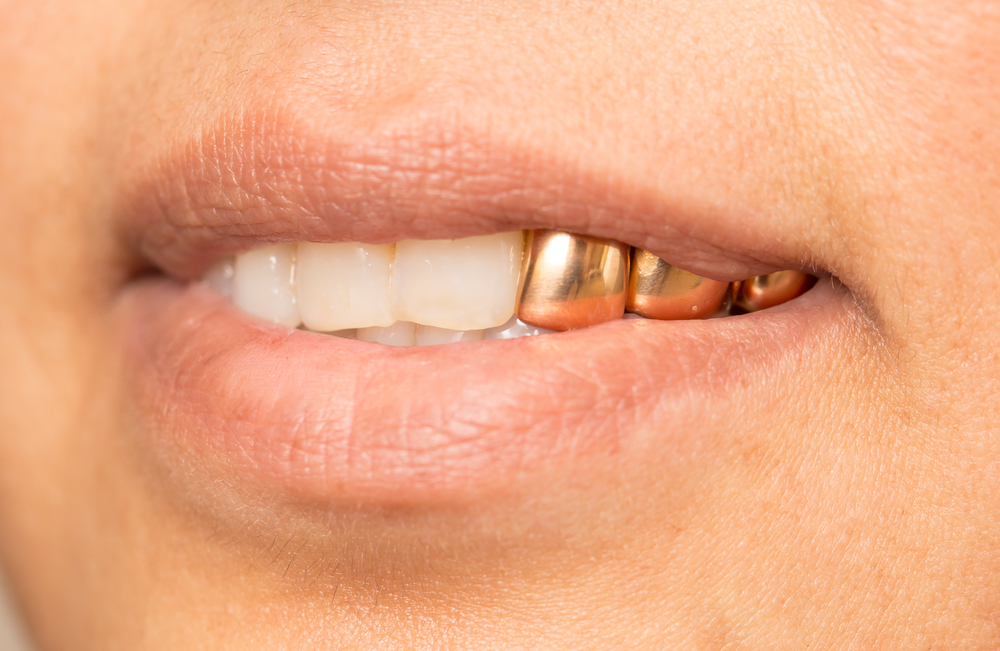
Metal crowns, including gold crowns made from a gold alloy, have the longest track record in back-tooth positions. Reasons dentists still reach for an all-metal crown include:
- Less removal of healthy tooth structure than most alternatives
- A wear rate close to natural enamel
- Strong tolerance from surrounding gum tissue
One study found the cumulative survival rate of all PFM and metal crowns reached 83.9% after five years. PFM crowns combine a metal base with a porcelain layer, giving patients some aesthetic value on a back tooth. The same gum-line risk still applies.
When Zirconia Crowns Work for Back Teeth
Zirconia has also become a common choice for back teeth. Research on zirconia crown performance found survival rates ranging from 73.9% to 100% across different studies and follow-up periods. That places zirconia in a similar performance range as traditional metal crowns for back-tooth use.
What Makes a Back Tooth Need a Crown
Several conditions make a back-tooth crown necessary:
- Root canal treatment. A root canal removes the tooth pulp, including the blood vessels and nerves inside it. This can leave the tooth brittle.
- Cracked tooth syndrome. Sharp tooth pain that worsens under biting pressure often points to a cracked tooth caused by an unbalanced bite.
- Large fillings or extensive decay. When too much natural structure is gone, a crown restores function.
Keeping any crown clean matters for its lifespan. Brushing, flossing around the margins, and routine checkups extend the life of metal, PFM, or zirconia restorations alike. Grinding or clenching at night can shorten a crown’s life regardless of material. Dentists often recommend a nightguard for patients with this habit.
Temporary Crowns, Same-Day Crowns, and the Choice No One Tells You About
The front-versus-back rule is a helpful starting point, but it doesn’t cover every case. Grinding habits, remaining tooth structure, and the reason you need a crown all shape the final material choice.
Temporary Crowns vs. Stainless Steel Crowns
These two crown types solve very different short-term problems:
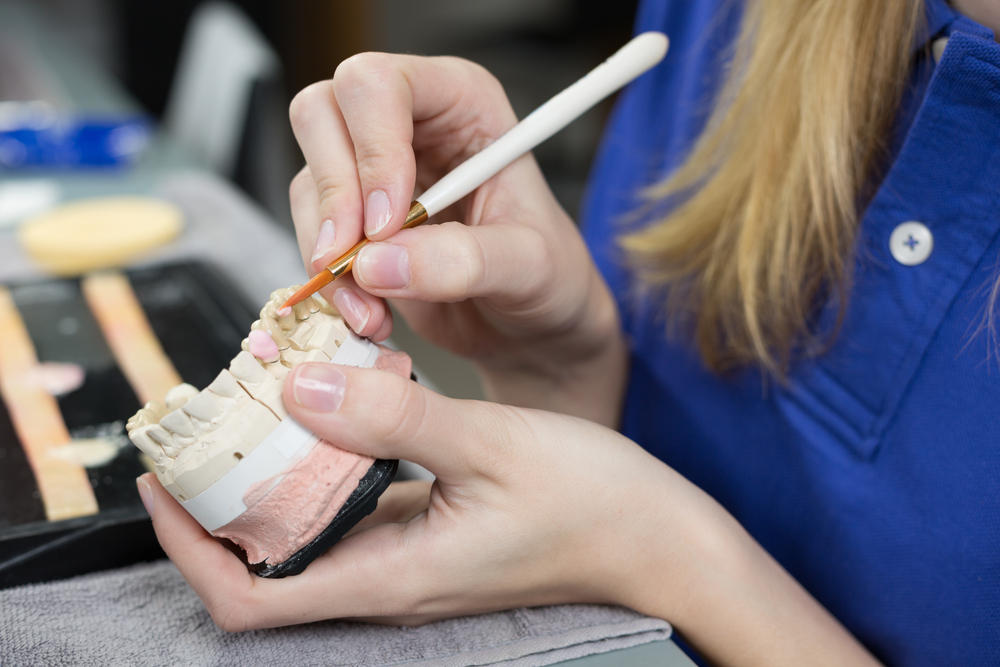
- Temporary crowns protect a prepared tooth while a lab makes your permanent crown. Dentists typically build them from composite resin or acrylic, and they aren’t meant for long-term wear. Crown displacement is a real risk during this phase, so avoid sticky or hard foods.
- Stainless steel crowns are mainly used on baby teeth with significant decay, holding the tooth until it falls out naturally. Dentists also place them on adult teeth as short-term protection. Because they’re prefabricated, dentists can place them in a single visit.
Same-Day Crown Technology
CEREC® crowns offer a same-day option for permanent restorations. This dental technology mills a ceramic crown from a digital scan right in the office. It eliminates the temporary crown and second visit. For patients with dental anxiety about multiple appointments, a single-visit process can make treatment easier to manage.
Planning and Placement Considerations
Dental X-rays are part of the planning process for every crown, regardless of material. Planning typically includes:
- Imaging the tooth root, surrounding bone, and nearby teeth before preparation begins
- Confirming bone healing is complete before implant-supported crowns attach
- Reviewing bite balance carefully in full arch cases so no single crown carries too much load
Dentists are most likely to recommend a crown for teeth that are fractured, cracked, or endodontically treated. More severely compromised teeth may need extraction instead. Your dentist weighs your grinding habits, gum health, and how much natural tooth remains before recommending any specific crown.
Let’s Find the Best Types of Dental Crowns for Your Smile
Choosing among the types of dental crowns available today comes down to matching the material to the tooth’s job, not applying one rule to your whole mouth. Your bite pattern, grinding habits, and how much natural tooth structure remains all shape which option holds up over time.
Dr. Kathy Sanders, Dr. Erika Lovett, and the team at Tri-Cities Center for Cosmetic Dentistry can review your specific case in person and walk you through which crown type fits best. If you have questions about your smile, contact our team.
FAQs
What are different types of dental crowns?
Your dentist selects a crown material after weighing your bite pressure, budget, and how visible the tooth is when you smile. Some patients qualify for more than one option, so the final decision often comes down to personal preference and long-term maintenance needs. Ask your dental team to compare pricing and appearance side by side before deciding on your treatment plan.
What type of dentist does dental crowns?
Most general dentists place routine crowns as part of everyday restorative care, and many pursue extra training specifically in crown and bridge techniques. Prosthodontists typically handle unusually complex rebuilds, worn dentitions, or cases involving several teeth at once. When an implant is involved, an oral surgeon or periodontist usually places the post while your restorative dentist designs and fits the crown itself.
How long does a dental crown last?
Daily habits often matter more than material choice when it comes to how long a crown holds up. Crowns exposed to grinding, ice chewing, or inconsistent brushing tend to fail years earlier than well-maintained restorations. Routine checkups let your dentist catch small problems, like a loose margin, before they become bigger issues that require full replacement down the road.
Does getting a dental crown hurt?
Local anesthesia numbs the area completely during preparation, so most patients feel pressure rather than sharp pain. Mild sensitivity to hot or cold is normal for a few days afterward and usually fades on its own. Patients with dental anxiety can ask about sedation options, and many offices offer calming extras like noise-canceling headphones or blankets during longer visits.
Does dental insurance cover different types of crowns?
Coverage varies by plan, and insurers usually pay a percentage when the crown treats decay, a fracture, or a root canal follow-up rather than pure cosmetics. Many practices submit a pre-treatment estimate to your insurer to confirm what’s covered before work begins. If you have an out-of-pocket balance, ask about financing or in-house payment plans for larger restorative cases.